
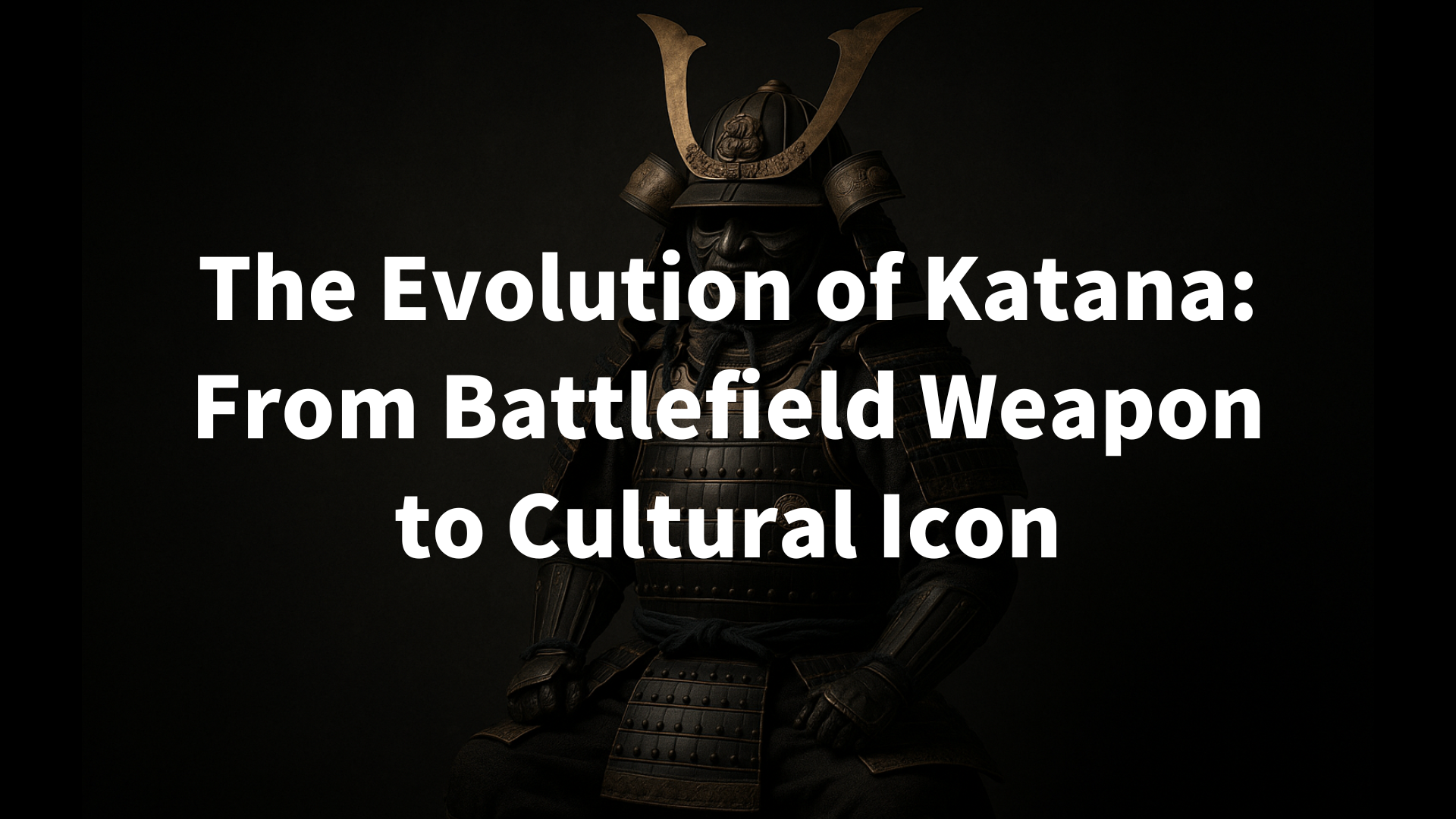
Samurai armor is far more than protective gear. It reflects the values, identity, and mindset of Japan’s warrior class. From the chaos of medieval battlefields to the refined aesthetics of the Edo period, samurai armor evolved alongside Japanese society itself.
What Is Samurai Armor? Yoroi vs. Tosei-Gusoku
Yoroi: Heavy armor for mounted warriors
Early samurai wore yoroi, large and heavy armor designed for mounted archers. It prioritized protection over mobility and featured broad shoulder guards and layered construction.
Tosei-Gusoku: Practical armor for battlefield reality
As warfare shifted to mass infantry combat in the Sengoku period, armor evolved into tosei-gusoku. This style balanced protection and mobility and adapted to the rise of firearms.
The Purpose of Samurai Armor on the Battlefield
Armor protected vital areas, but it also played a psychological role. Bold designs, fearsome masks, and towering helmets intimidated enemies and inspired allies.
Key Parts of Samurai Armor Explained
- Kabuto – Helmet designed to protect the head and display identity.
- Menpo – Face mask that combined defense with intimidation.
- Do – Chest armor protecting the torso.
- Sode, Kote, Haidate, Suneate – Armor for shoulders, arms, thighs, and legs.
Symbolism and Design
Colors, family crests, and decorative elements expressed loyalty, rank, and belief. Samurai armor was a visual language of identity.
From War Gear to Cultural Icon
With the arrival of peace in the Edo period, armor became ceremonial. Today, it survives as art, historical heritage, and a global symbol of Japanese culture.
Where to See Authentic Samurai Armor in Tokyo
Tokyo National Museum displays some of Japan’s most important armor sets.
The Japanese Sword Museum offers insight into how armor and swords functioned together on the battlefield.
Conclusion
Samurai armor tells a story of survival, identity, and cultural evolution. Understanding it adds depth to any exploration of Japanese history.